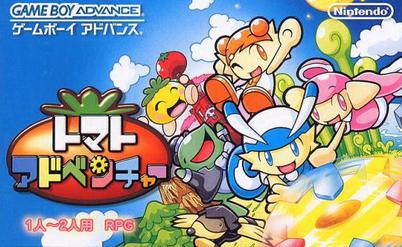
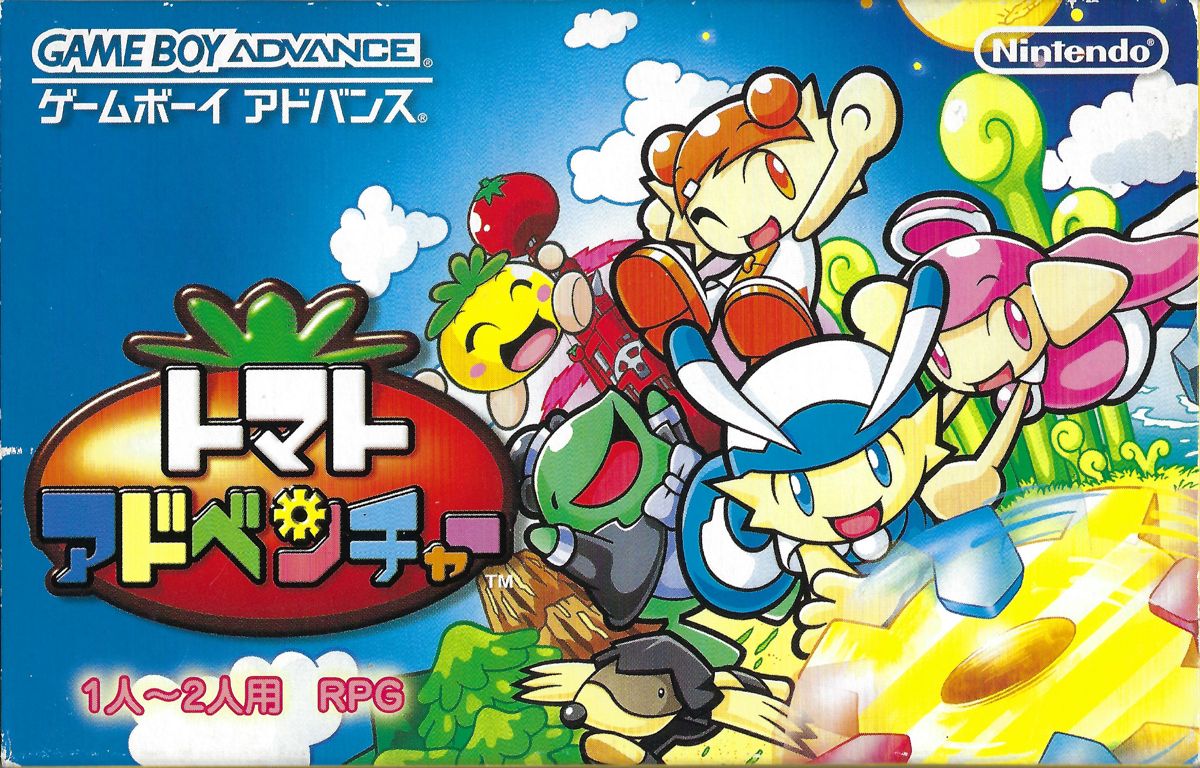
Tomato Adventure was developed by AlphaDream. AlphaDream was best known for their work on the Mario & Luigi RPG series, up until the studio filed for bankruptcy in 2019. Tomato Adventure was originally developed for the Game Boy Color under the name Gimmick Land, but due to the game’s lengthy development cycle, they were requested by Nintendo to redevelop the title for the Game Boy Advance. Incidentally, the Gimmick Land prototype was leaked online during the Nintendo Gigaleak of 2020. Per an old interview with AlphaDream producer Yoshihiko Maekawa, Tomato Adventure was never released in the west due to the game targeting a younger demographic and the battle system receiving a mixed reception. The game was hacked and fan translated by anonymous individuals using pseudonyms in 2021.
Tomato Adventure takes place in a colorful fantasy setting called the Ketchup Kingdom, ruled over by the evil King Abira. Protagonist DeMille, a young boy, lives on the outskirts of the kingdom with his girlfriend Pasaran and other kid outcasts, due to their shared dislike of tomatoes. One day, after DeMille adventures through the nearby Toy Ruins to help Pasaran locate her robot toy, Pasaran is kidnapped by two of King Abira’s henchmen for nefarious purposes to the Gimmick Palace. Unfortunately for DeMille, he is unable to progress through Gimmick Palace until he defeats the Super Kids, who are spread out in different lands and possess items called Toy Parts. As he travels through the various locales in the kingdom, DeMille is later joined by Alesa, a cheerful girl infatuated with King Abira; Sofubi, a frog-like suit tailor looking to lose weight; and Rellek, a mole news reporter searching for his next big scoop.
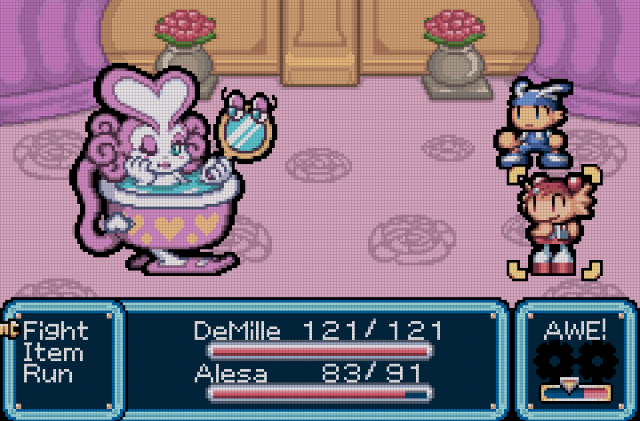
Tomato Adventure plays out as a simplistic turn-based RPG with a twist on the ‘timed hits’ system used in games like Super Mario RPG (important to note given that the Mario & Luigi games are considered successors to Super Mario RPG). DeMille and co. can equip various weapons known as ‘Gimmicks’, which can range from yo-yo’s and shuriken guns to sillier fare, like a pufferfish on a string or summoning a dog with boxing gloves. Each Gimmick has a unique minigame to successfully execute its attack. These minigames can be reflex-based (inputting prompted controls), speed-based (mashing the a or b-buttons to fill a bar) or memory-based (counting the number of aliens falling from a UFO). The Gimmicks can be tested from the in-game menu and the difficulty of each minigame can also be tweaked, with higher difficulty levels awarding higher damage outputs. While Gimmicks will still do damage if the minigame is failed, being able to adjust their minigame difficulty on an individual basis is a nice quality of life feature, as it allows players to pick and choose their preferred Gimmicks. Gimmicks can also be powered up using items found in dungeons or dropped by enemies, and new ones unlock as the game progresses. Additionally, successfully completing the Gimmick minigames fills the AWE(SOME) meter, which allows DeMille and his current party member to pull off powerful combo attacks.
Tomato Adventure does feel like it was aimed at a younger audience (or general newbies to RPGs) given the general ease of its systems and straightforward design. Since the Gimmicks are the core of the game’s battle mechanics, the playable characters only have a single slot for equipment, allowing the player to focus more on stocking battle-related items. Enemy encounters also appear on the overworld, making fights easier to avoid if necessary, and don’t respawn, barring the final dungeon. Plus, the game is balanced enough that simply fighting everything available is optimal to maintain appropriate levels, and extraneous grinding isn’t necessary. Additionally, the game allows the player to save almost anywhere, even in the middle of dungeons. The general light difficulty of Tomato Adventure will likely still be off-putting to certain players, but it does allow the game to act as a less-taxing but still-enjoyable, even for genre veterans.
Parts of the end-game dungeon, on the other hand, can be tough to navigate without a guide, and a couple of the later Super Kids have tricky elements to their fights, requiring specific body parts to be targeted in a particular order. The game also has some minigames separate from the Gimmick games to break up the time between/during dungeons, which vary from ‘interesting change of pace’ to ‘kinda annoying’, and remind me of the worst mandatory minigames from Breath of Fire 3. There’s a snowboarding minigame to get down from the giant mountain in one town that’s pretty nice as an alternative to backtracking out of the mountain on foot. On the other hand, special note has to go to the terrible ‘losing weight’ side quest where DeMille has to do some exercise-related minigames to lose weight, but only a specific amount of weight, to proceed; otherwise he’ll have to gain weight by eating at the buffet and try again.
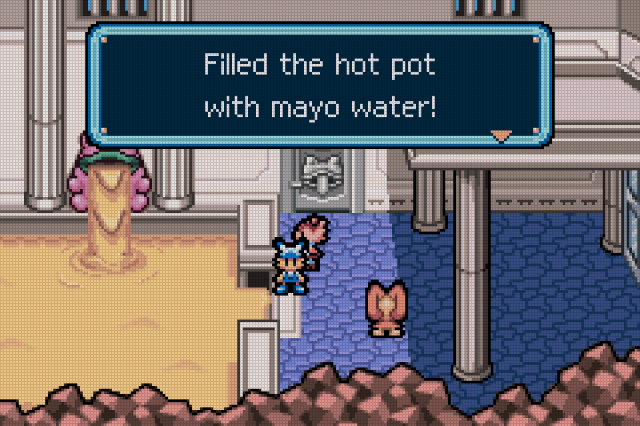
Tomato Adventure’s greatest strengths lie in the mix of its colorful graphic design work and general sense of humor. Each major town has a distinctive theme with quirky features, from Oys Town having a dessert motif with people traveling through giant snakes, to Tartar Valley being a Halloween/horror town whose inhabitants are suffering from an invisibility problem. In general, the game doesn’t feel like the more stereotypical sword-and-sworcery fantasy RPG, and has energy more akin to the lightheartedness of old Humongous Entertainment games. The aforementioned Gimmick animations are goofy, but special note has to go to the first-tier AWE attacks. Demille gets into a fight with a remote-controlled robot used by Alesa and somehow this damages all the enemies on-screen, or DeMille gives a weather report with Sofubi, who suddenly appears to flatten enemies. There’s also a silly dialogue exchange between DeMille and Alesa in the game’s mayonnaise-themed town, wherein the two squabble over DeMille kicking Alesa in midair after the two fall out of the town’s sewer system (long story); the game affirms DeMille’s POV by replaying the scene in slow-motion to confirm he did kick her to prevent her from falling into a cauldron. Despite Tomato Adventure being intended for a particular audience, the game does have enough charm to not come off as juvenile.
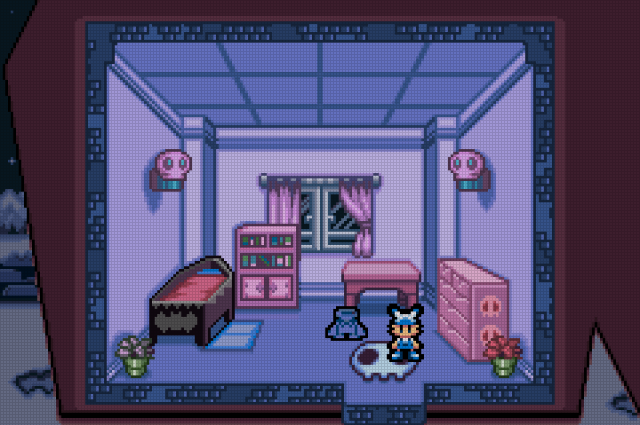
Pros: Game difficulty is on the easier side, making it approachable to genre newbies and less complex (but still enjoyable!) title for experienced players. Cute and colorful design work and animations. Quirky sense of humor and lighthearted writing that doesn’t take itself overly seriously. Nice flexibility with the Gimmick system that allows players to choose specific weapons to suit their needs and skill preferences.
Cons: Some parts of the end-game dungeon and a couple of late-game bosses are annoying to deal with without a guide. Combat can get repetitive in long bursts. A couple of the non-Gimmick mandatory minigames are mildly annoying.
Tomato Adventure was originally released for the Game Boy Advance in 2002. While several of the game’s developers from AlphaDream would move on to studio Acquire to continue work on the Mario & Luigi games, it seems unlikely that they will revisit Tomato Adventure at this point. While I don’t have much first-hand familiarity with the Mario & Luigi series, it’s believed that Tomato Adventure provided a conceptual basis for the games in terms of design and gameplay mechanics, so it’s unfortunate that DeMille’s misadventures may not ever receive an official English release. Nonetheless, Tomato Adventure is a cozy RPG that I enjoyed to wind down at the end of the day, and another fun hidden gem on the GBA.


Leave a Reply