Communicating via phone messages is relatively mundane in everyday life, so it’s not a surprise that certain video games use them. What’s interesting is the potential variety as a side feature or central gameplay feature, or simply the enjoyment of messaging fictional characters with pre-picked responses. Phone messages can function as a means for period setting or character exploration, or the overall means of progressing a game. Here are my favorites..
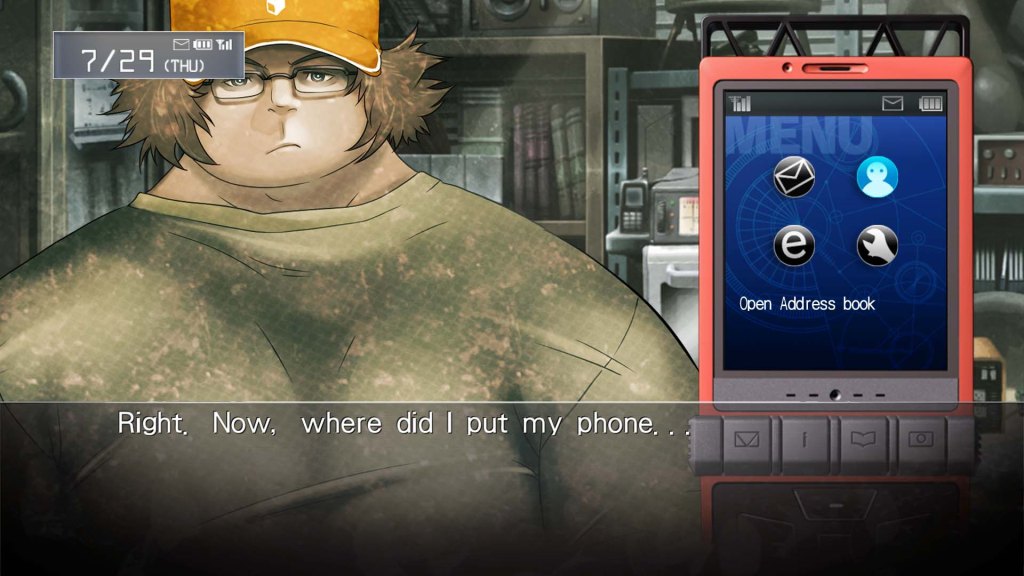
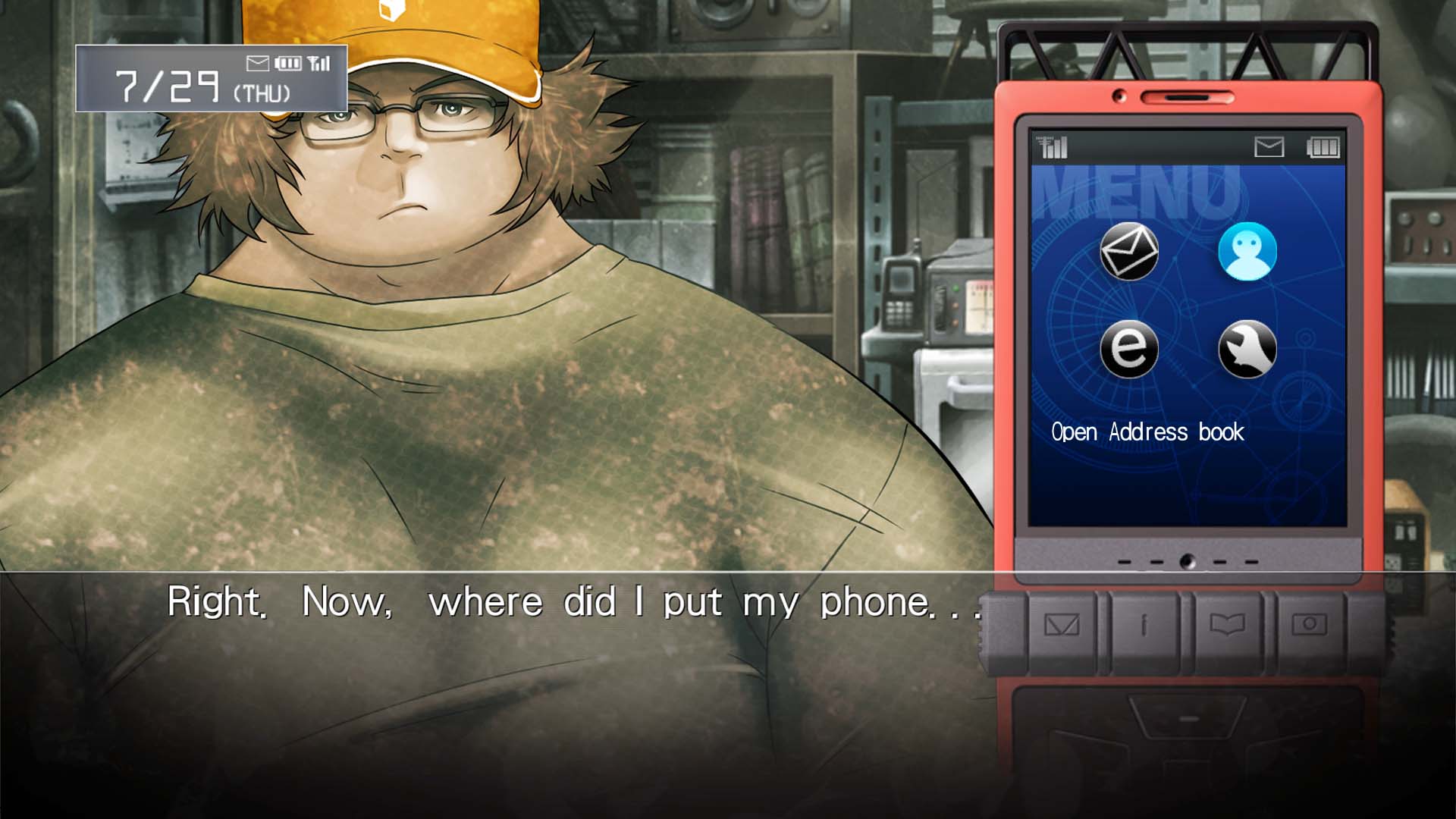
In sci-fi game Steins;Gate, chuuni protagonist Rintaro Okabe inadvertently creates a time-machine with his microwave, granting him the ability to send his consciousness into the past. Furthermore, Okabe finds that his time traveling also works by sending messages from his phone. Phone messaging appropriately ends up being a central mechanic to Steins;Gate, influencing character routes Okabe ends up on or even barrelling towards a Bad End. Steins;Gate is a bit infamous for the obtuseness of the phone messaging mechanic, as it often isn’t clear whether certain responses can influence certain outcomes, not to mention that choosing to answer incoming messages is also a factor that can affect routes. In addition, since the messages Okabe receives can come in while the main story is progressing, there’s a limited window of time to choose to reply or not.
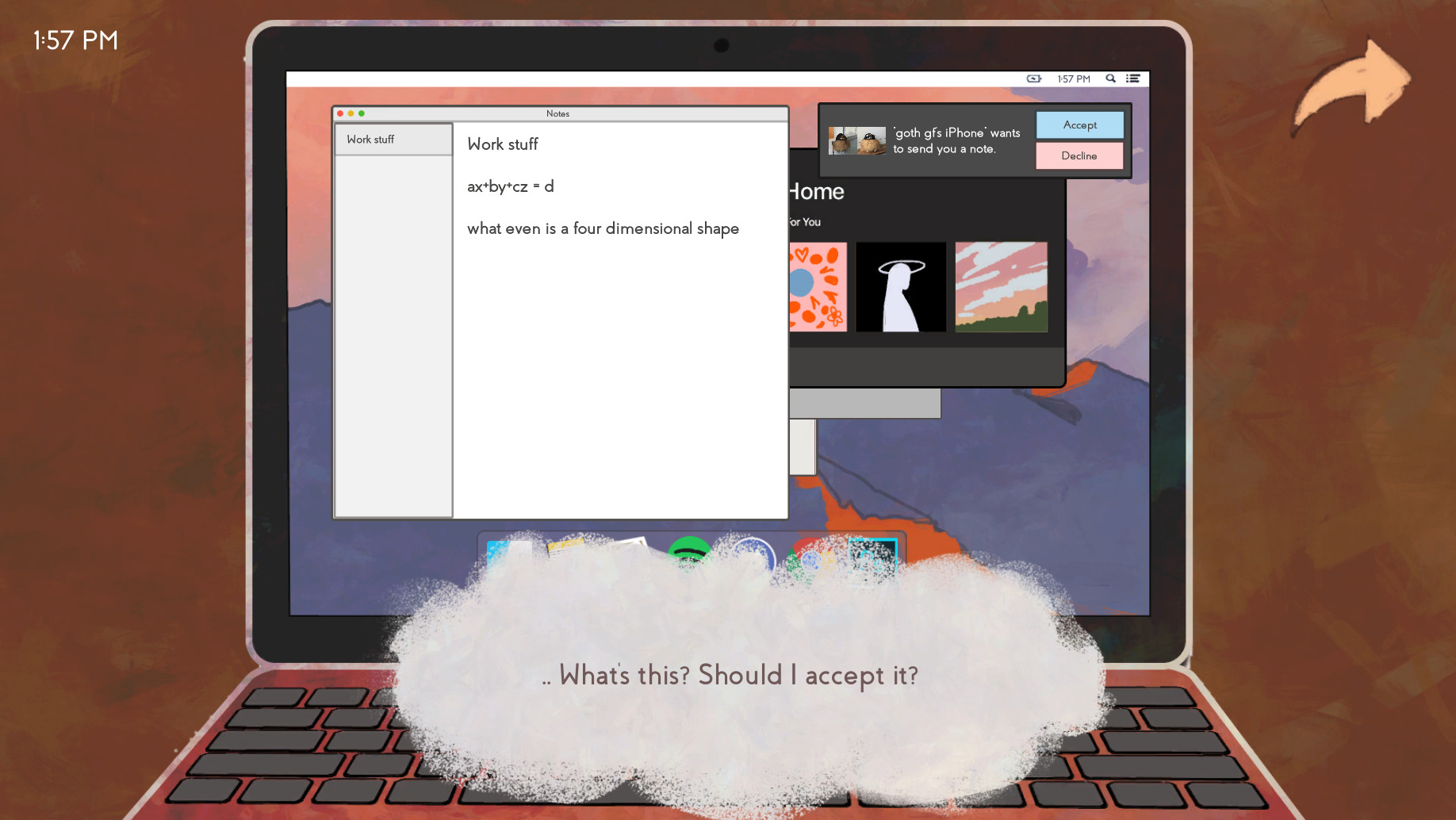
Similar to Steins;Gate, short indie visual novel missed messages, by developer Angela He, exemplifies the importance of answering messages, and how choosing to do so or not can have massive consequences. Without spoiling the entire game, missed messages is a frank discussion about mental health and looking out for people in your life. The protagonist, who is procrastinating while studying for school, airdrops some memes and messages to her Mac from a stranger. She can choose to reply and later schedule a hangout date with said person, and potentially come home to some odd messages from her roommate. While its themes are blunt, Missed Messages demonstrates the emotional weight behind messages and subsequent decision-making.
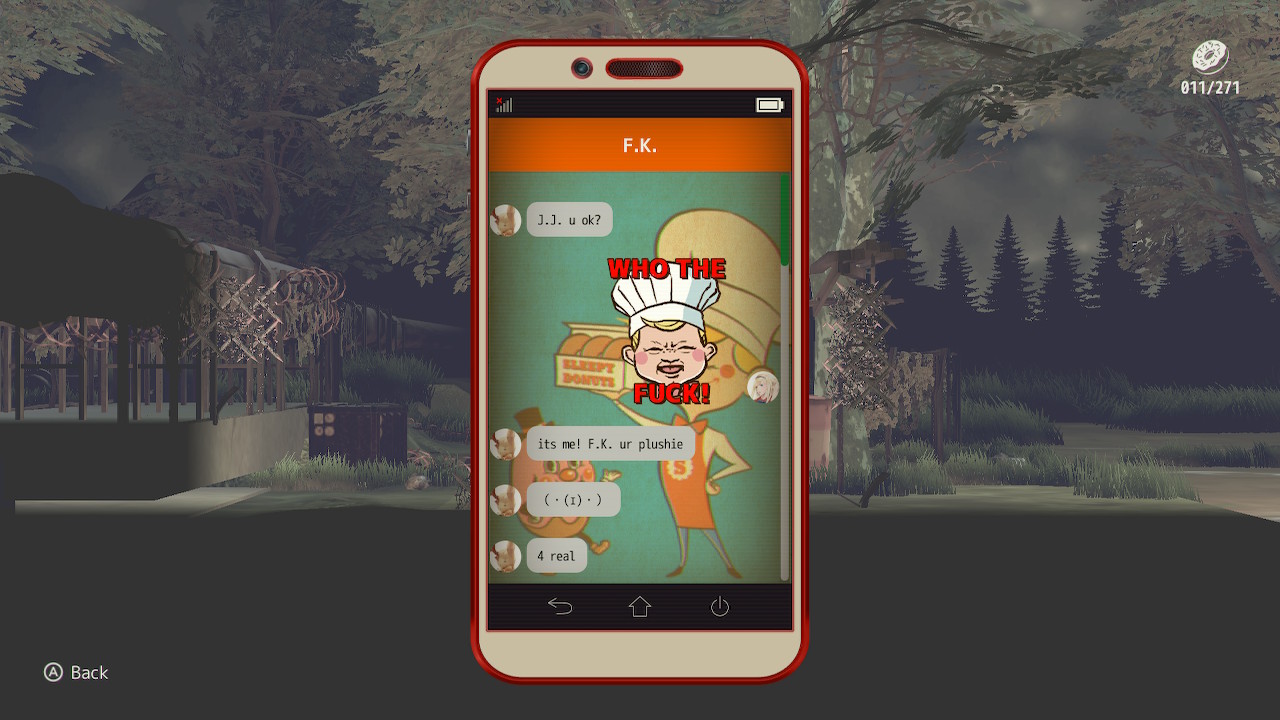
Phone messaging can also be used for storytelling. The Missing: J.J. Macfield and the Island of Memories is a surreal body-horror-flavored puzzle platformer by Swery65, of Deadly Premonition fame (infamy?). The Missing focuses on the titular J.J., who is searching for her missing friend Emily, while self harming and literally tearing her body apart to navigate various areas in the environment. The underlying story and character conflicts are gradually revealed through the game’s messaging system, wherein J.J. converses with several unseen NPC’s up to and including her destroyed chimera plushie, F.K. The game uses a messaging system similar to LINE, a popular instant messaging service that allows users to use virtual stickers from a variety of IP. In The Missing, the equivalent stickers tend to be of expletives, which J.J. liberally uses whenever F.K. attempts to contact her. While not a central gameplay mechanic, The Missing is a strong example of using phone messaging for narrative purposes.
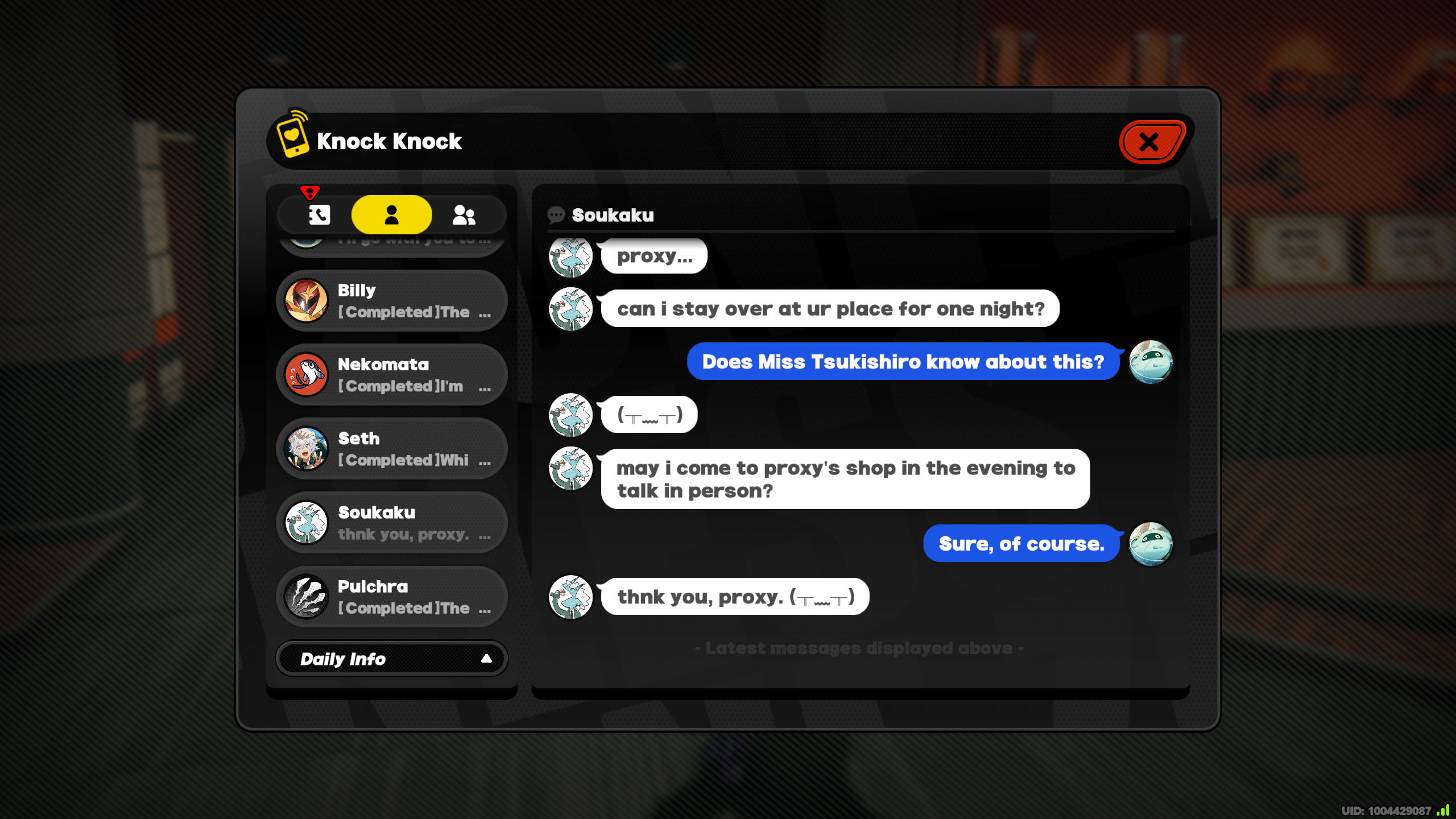
Within the retrofuturism setting of Zenless Zone Zero is the ability to…hang out with obtained playable characters for added backstory lore and obtaining pull currency and battle perks. Usually this is accomplished by simply messaging the character in question and inviting them out for a hangout date at the game’s various locales. ZZZ‘s writing and absurd attention to detail is reflected in its messaging system, which often gives characters unique quirks in their replies to the protagonist. For example, trucker Piper, who acts like an old woman despite looking quite young, peppers her messages with trailing ellipses. Meanwhile childlike oni girl Soukaku’s all-lowercase texts are full of haphazard spelling errors and emojis. In a game that loves to be liberal with character model and animation details, the extra touch with characters’ texts is a fun addition.
In other games, phone messaging is merely used for, well, communication. Persona 5 and Shadowverse specifically have many in-game conversations between characters taking place in group chats and direct messages to the player. Persona 5’s use of its messaging system is interesting to note since P3 and P4’s characters use flip phones, which subtly reflects the years in which the games themselves were released in (mid and late 2000’s, respectively), Persona 5’s setting is more ambiguously late 2010’s, and its cast, in contrast, use smartphones. In fact, a major element of traveling to the game’s otherworld involves a strange rogue app installed on the protagonist’s phone. Of course, the characters also exchange banter in their group chats while planning their dungeon crawling routes during their classes.
Shadowverse: Champion’s Battle follows a similar structure to Persona 5’s use of phone messaging. Shadowverse in itself originated as a F2P digital card battler in the vein of Hearthstone. The tie-in kid’s anime has the characters playing Shadowverse off of their smartphones, going as far as wearing specialized gauntlets on their wrists to hold their phones as they play. In Champion’s Battle, the stand-alone console adaptation of the app game, the use of smartphones remains the same, with a significant amount of communication occurring between the silent protagonist and their pals over the course of the story. There’s nothing especially fantastic about kiddos using their phones to communicate in a modern-ish setting like this, but it’s a bit more interesting when they play the titular card game on the very same phones.
Overall, phone messaging in games can be portrayed in different and interesting ways to reflect aspects of story, setting, and characters as well as create meaningful interactions between the player and game characters. Phone messaging is a common means of communication for many people, but it’s fascinating to view the varying contexts in which phone messaging can be used within video games.
 Oddity Games
Leave a comment