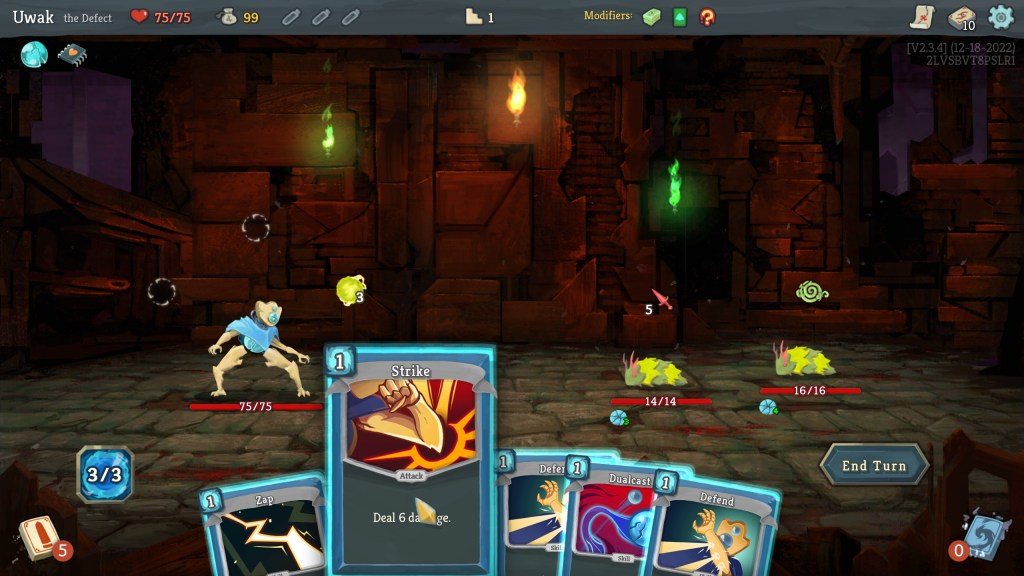

For a brief background on the sub-genre, rouguelike deckbuilders take influence from traditional deckbuilders like Dominion and TCG such as Magic: The Gathering. The 2014 PC game Dream Quest is arguably the first “true” example of a deckbuilding rouguelike, but the sub-genre wasn’t significantly popularized until 2019’s Slay the Spire. The roguelike deckbuilding genre has since expanded, and includes everything from turn-based strategy games to tower defense to…pachinko. Additionally, different takes on the formula have explored settings outside the fantasy swords and sorcery realm, including spooky card games in a cabin and cute animals piloting a spaceship. There’s even Touhou and Love Live rouguelike deckbuilders if the more-typical western aesthetics are too prevalent.
While lurking around the cozy gaming subreddit, the way users define certain games as “cozy” is varied and subjective. Typical cozy games usually include farming games and life simulators, like Stardew Valley, Harvest Moon, and Animal Crossing. I enjoy Stardew Valley but wouldn’t deem it cozy given my A-type personality penchant for obsessive min-maxing. The subreddit is generally welcome to discussion of games that don’t fit the archetypical elements of coziness, as long as disclaimers are present so people aren’t recommending stuff like Elden Ring willy-nilly. Aside from Cult of the Lamb, there’s not much discussion of roguelikes on the sub, likely for the same reasons mentioned earlier.
Dawncaster is specifically a roguelike deckbuilder combined with a class-based RPG. Pick a class, pick a deck, slay monsters, level up, gain new cards, die, repeat. Notably, Dawncaster uses a turn-based system that takes influence from Magic’s elemental mana system to play cards. The sheer diversity between classes and different available decks creates an addicting gameplay loop. It was enjoyable learning how each class worked through trial and error and devising better strategies for future runs. Dawncaster even got me favoring rogues, a job class I generally don’t gravitate to in RPGs. Building an optimal rogue deck to focus on stacking passives and poisoning everything in sight was immensely satisfying, moreso when I was able to pull myself from the brink of death on a regular basis. Dawncaster‘s base game is impressive with the sheer amount of content available, and I plan on picking up the DLC expansion packs.
After Dawncaster’s success, I dipped into a variety of other rouguelike deckbuilders available on both mobile and PC. The aforementioned Slay the Spire was a prerequisite grab from Steam, specifically for the ability to muck with mods in the future. Slay the Spire‘s excellent combo of tight, faced-paced gameplay with the simple yet stylized visuals and occasional goofiness was an immediate vibe. Similar to Dawncaster, the joys of StS come from learning how to play each character and figuring out optimal card synergies for the various decks. I mostly favor playing the Ironclad, whose deck is a straightforward “rip and tear until it is done” warrior archetype, but have also enjoyed the Silent’s penchant towards debuffs and poison to kill enemies at the start of turns. Learning when to skip cards and keep a slimmer deck has also been a learning experience. While some brain cells are necessary for optimal runs (StS is a lot less forgiving towards screwing up card play order than Dawncaster is on normal), it’s become an oddly relaxing game good for coming down from busy weekdays, especially when paired with podcasts.
A few of the mobile deckbuilders I’ve briefly played have been surprisingly varied as far their distinguishing mechanics and aesthetics. Phantom Rose Scarlet, a game solo developed by artist/former Twitch UI designer makaroll, follows a maid searching a mansion for her missing master. The game combines bishojo anime girl art (there are a LOT of paid DLC that are just costumes for the protagonist) with an interesting cooldown based card system. Conjury is a more simplified system, looking more akin to NES-era Dragon Quest with an emphasis on equipping weapons. Meterorfall: Journeys mixes a cartoon-y Adventure Time-esque art with stamina based mechanics for playing cards alongside limited actions per turn. It’s fascinating how many different spins on card-based deckbuilders can exist and how these games can maintain a unique identity in the face of a growing genre.
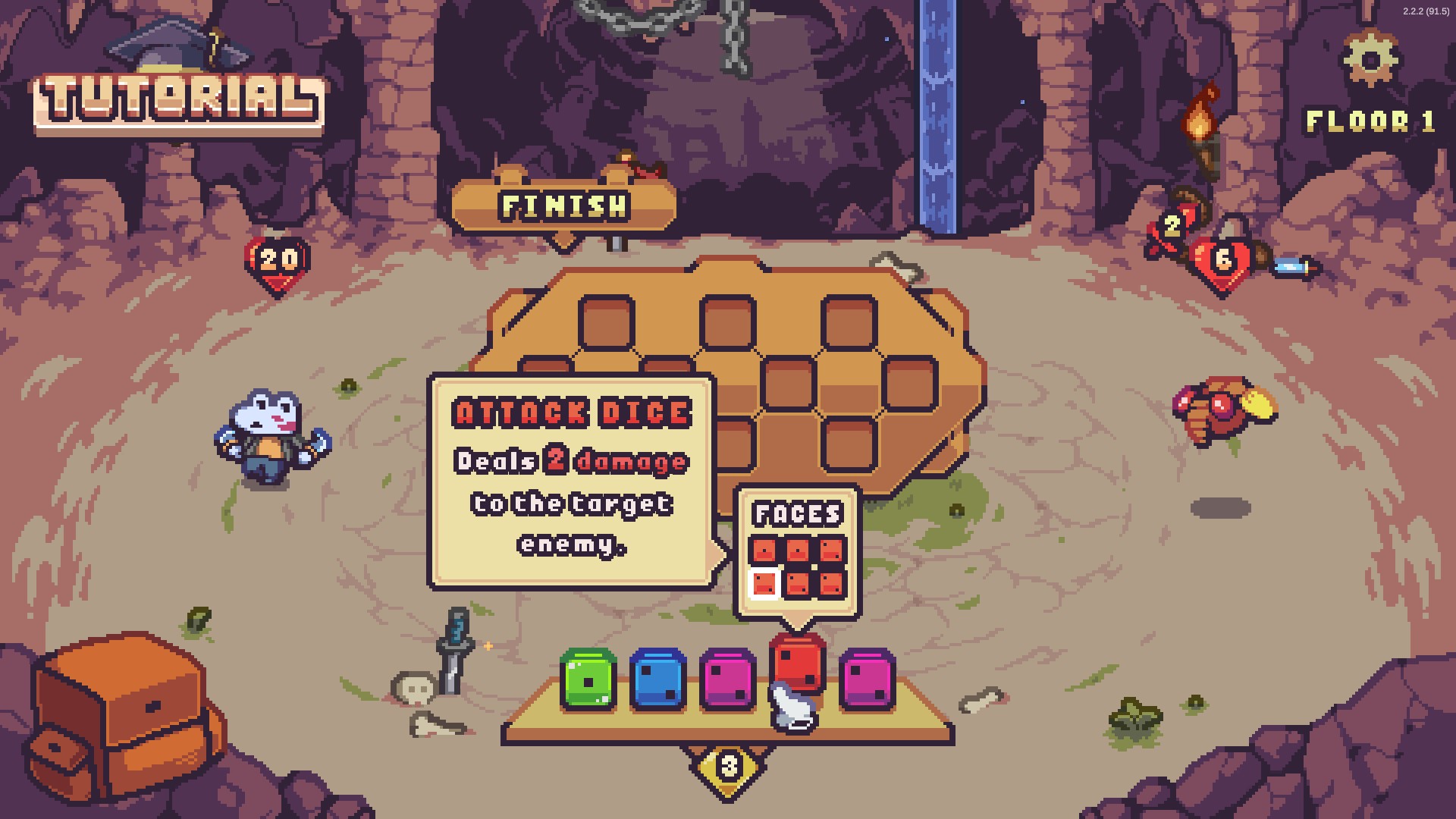
Some of the deckbuilders not based on cards have also been excellent. Die in the Dungeon: Origins is a neat little dice-based deckbuilder, where the player is given a set of dice that correspond to different actions (attacking, defending, healing, buffing, etc.) and the dice are placed on a slotted board to attack enemies. Certain enemies can mess with the board by taking up slots or creating negative effects on slots. Like StS, Die in the Dungeon the most satisfying part of my run was chaining buffed attacks to wipe out enemies. Origins is technically a prequel to an upcoming full game, with the full release itself being an enhanced version of a freeware itch.io game.
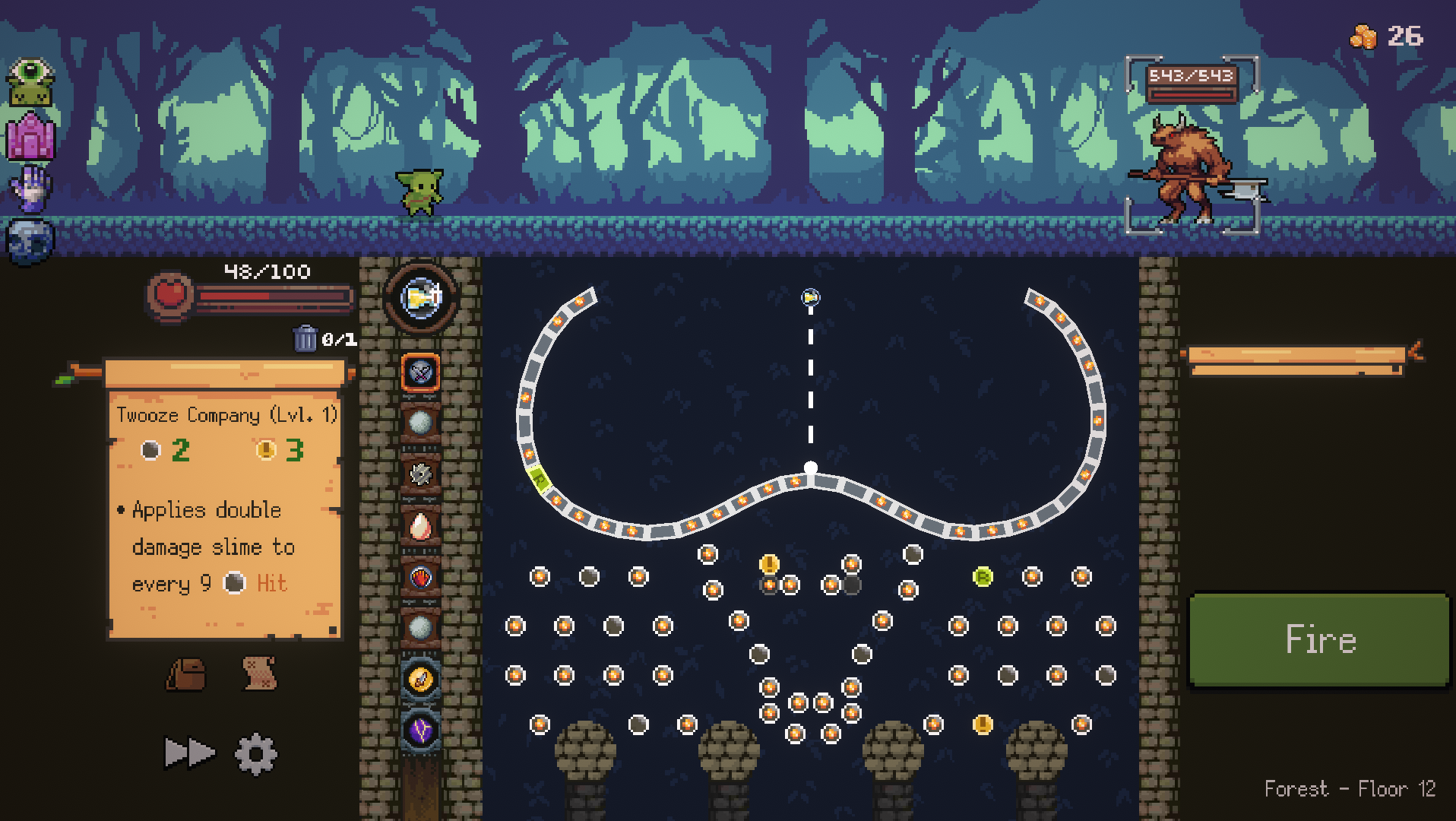
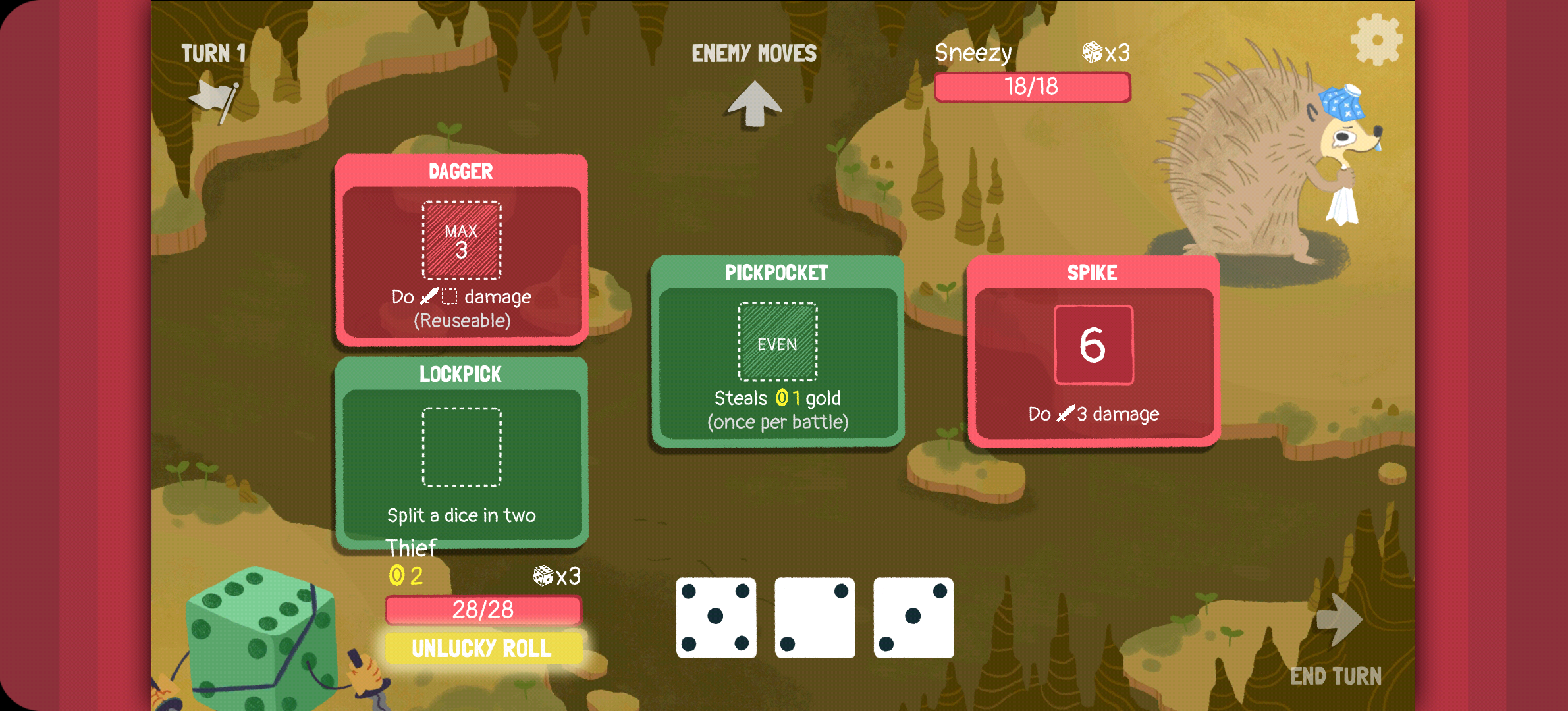
The similar dice-based Dicey Dungeons is brimming with personality, but uses different mechanics compared to Die in the Dungeon, opting for a Resident Evil-esque inventory system, with the dice being rolled to play on pieces of equipment. Peglin, the previously referenced pachinko (or Peggle, if you prefer) deckbuilder, is also very unique. The player takes on the role of a cute goblin fighting various monsters, with the attacks being handled by dropping balls onto pegs and clearing out as many pegs as possible. Rather than upgrading cards, the balls themselves can be upgraded to allow the goblin to use AOE or extremely damaging attacks against monsters. It’s impressive how easily the roguelike deckbuilding melds with other types of games and the diversity this holds for the sub-genre.
I’ve racked my brain over the reasons why these roguelikes appeal to me. On some level, the games that are more strategy-oriented rather than reflex-based remind me more of my varied experiences with real-life board and card games. I’ve been getting better at strategizing at these games and learning mechanical synergy once I pick up on the rules. The deckbuilders/dice games/whatever function similarly, with the bonus that I get some reward even if I lose, and I can play them frequently enough that I can remember mechanics and reflect on why certain runs didn’t work. Plus, it’s easy to hop in and out of these games, so they make for good palate cleansers between Final Fantasy XIV dungeon crawling and whatever weird shit is happening in my visual novels. In particular, Dawncaster has been useful as a quick time killer replacement for mindless Reddit browsing. The game is also great for work breaks and waiting at restaurants. Thanks to the cloud sync function, overall progress towards unlocking stuff can carry over between devices. I’m a bit sad that it took until 2019 or so for this genre to get popular because these games translate really well to mobile devices and I could see an alternate timeline where these games thrived on the 3DS and PS Vita.
While I still don’t see myself returning to Hades or attempting the Shiren the Wanderer games, discovering the joys of roguelike deckbuilders was eye-opening. I’ve already amassed quite a few mobile deckbuilders for my gaming phone and have my eyes on even more games on Steam. These games are surprisingly satisfying and compulsively playable, with Dawncaster or Slay the Spire potentially being “forever” games in the backlog. I would never have expected to find roguelikes comforting, but they fit into a particular part of my routine and fill a specific niche.
 Oddity Games
Leave a comment